Visit Herculaneum with a simple, complete itinerary
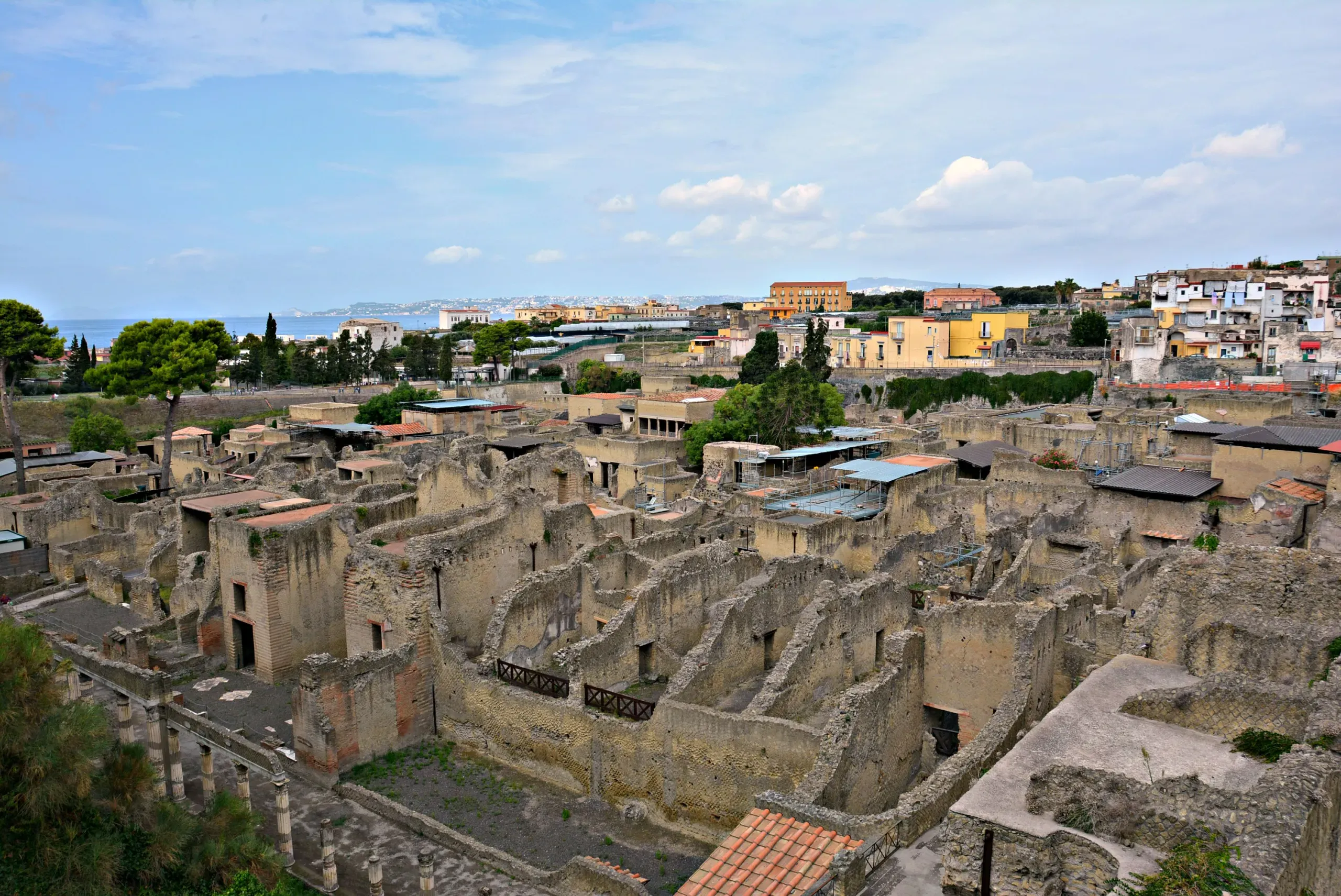
The Herculaneum Ruins offer a surprisingly immersive experience: this is not just a monumental archaeological area, but a real city, with elegant homes, baths, public spaces, and details that reveal first-century habits, work, and family life.
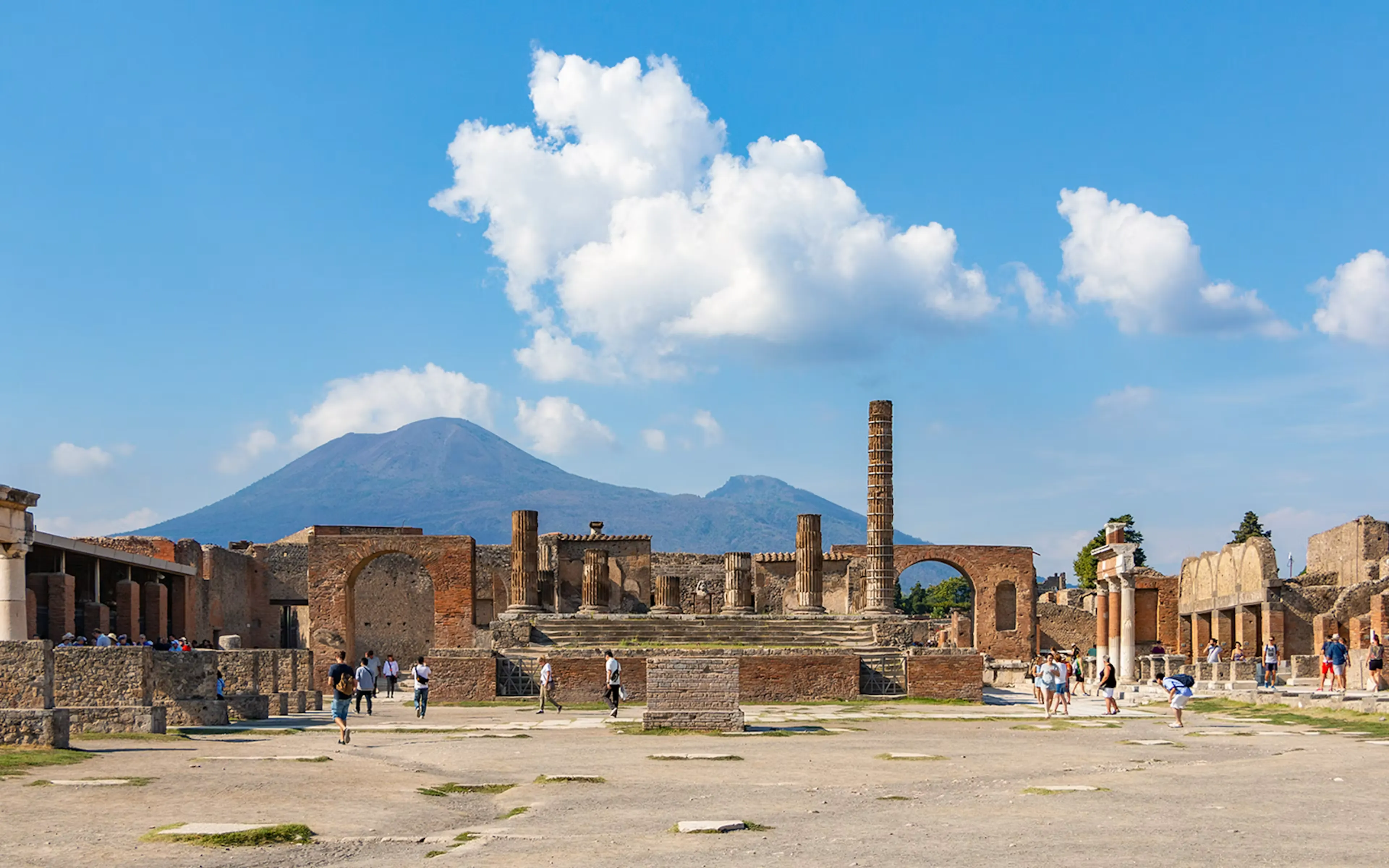
Thanks to the extraordinary preservation caused by the AD 79 eruption, walking through its decumani and cardines feels like stepping into a rare, vivid, deeply human archaeological snapshot..
Herculaneum Ruins Visiting timetable
The site usually opens in the morning and closes in the late afternoon; hours vary between summer and winter seasons. It is always advisable to check the latest entry time before your visit.
Herculaneum Ruins Closing Days
The Ruins are generally open year-round, with possible exceptional closures or schedule changes on certain national holidays.
Where is Located
Ercolano, Naples, Campania – Herculaneum Archaeological Park
How to get to the Herculaneum Ruins
The site is well connected from Naples and the Vesuvian Coast. You can reach it easily by train, car, or bus, then complete the final stretch on foot in just a few minutes.
By Train
From Naples, the most convenient option is the Circumvesuviana line toward Sorrento, getting off at Ercolano Scavi. From the station, a short and mostly downhill walk takes you to the archaeological park entrance.
By Car
By car, take the Ercolano exit from the A3 Naples–Salerno motorway. Nearby you’ll find private parking and paid lots: on weekends and in peak season, arriving early is recommended.
By Bus
Several regional bus lines and tourist shuttles stop near central Ercolano. From there, simply follow the signs and you’ll reach the entrance within minutes.
On Foot
If you are staying in central Ercolano, you can walk to the ruins through city streets with views of the Gulf. It is an easy route, but in summer it is best to bring a hat and water.
Why visit the Herculaneum Ruins
For their exceptional preservation, a calmer atmosphere compared with other Vesuvian sites, and the unique feeling of walking through an ancient city still readable in every detail.
Herculaneum Ruins
The Domus and private life
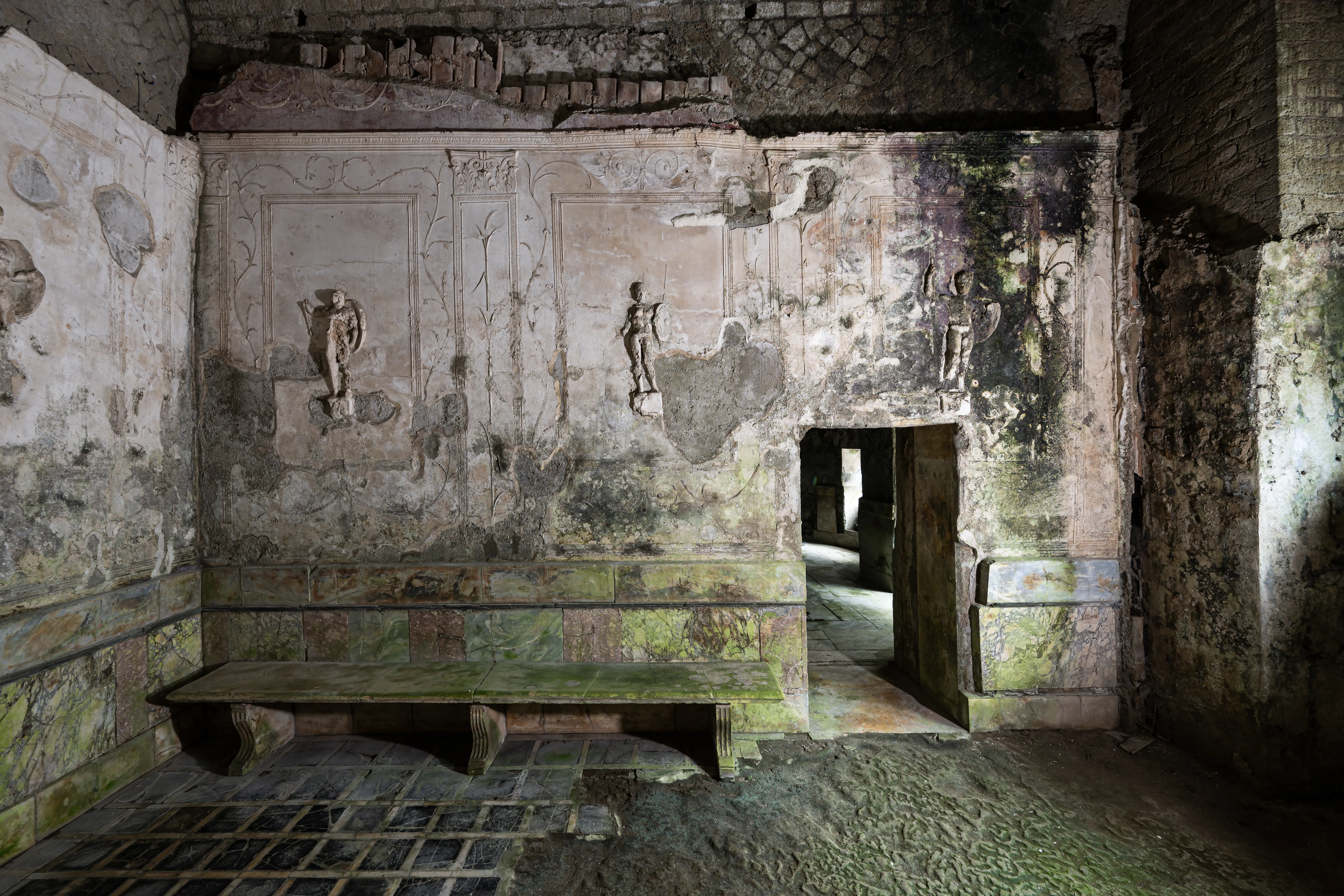
Herculaneum’s houses, often multi-storey and elegantly decorated, show with striking clarity how families, craftsmen, and local elites once lived.
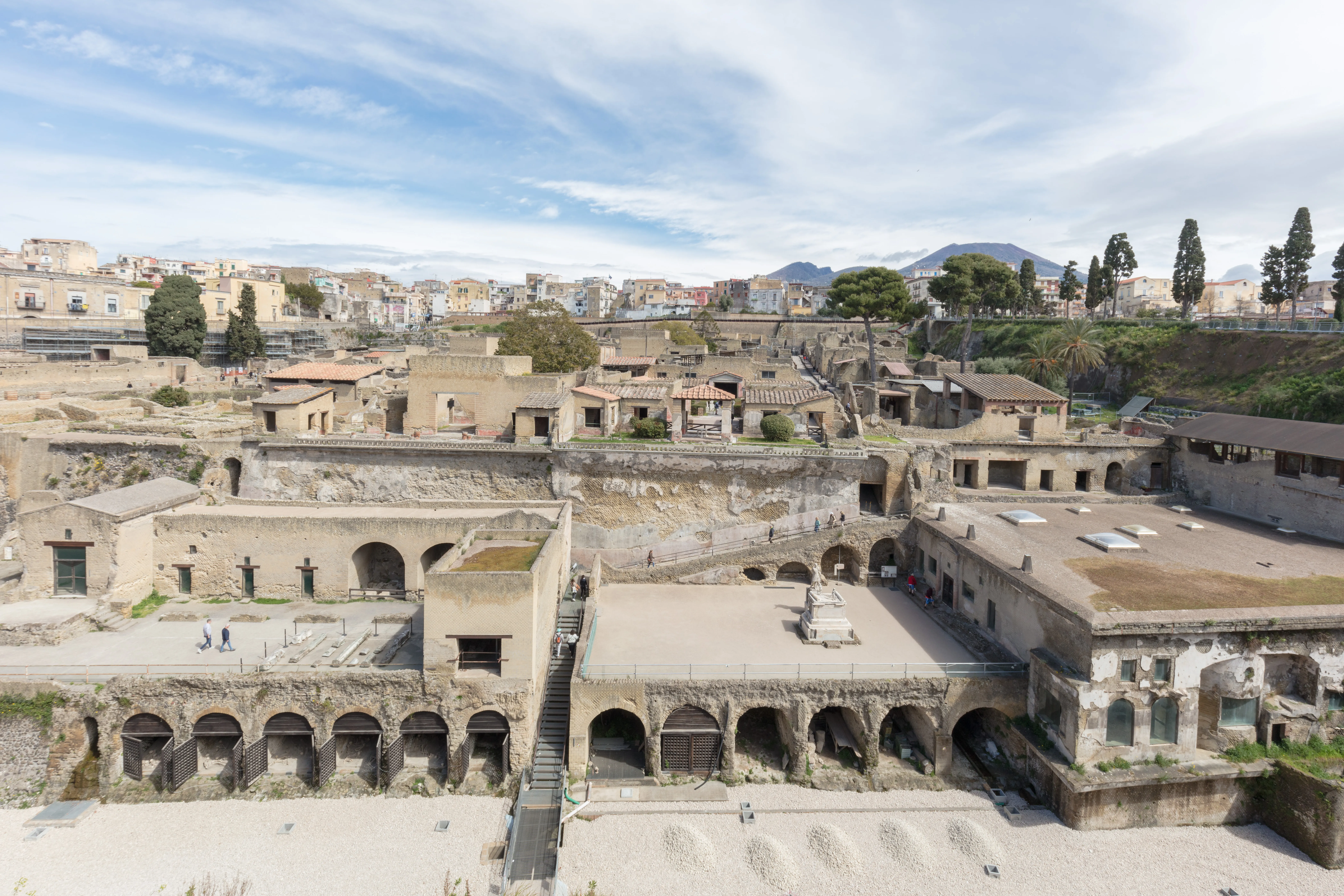
The Boat Chambers and ancient seafront
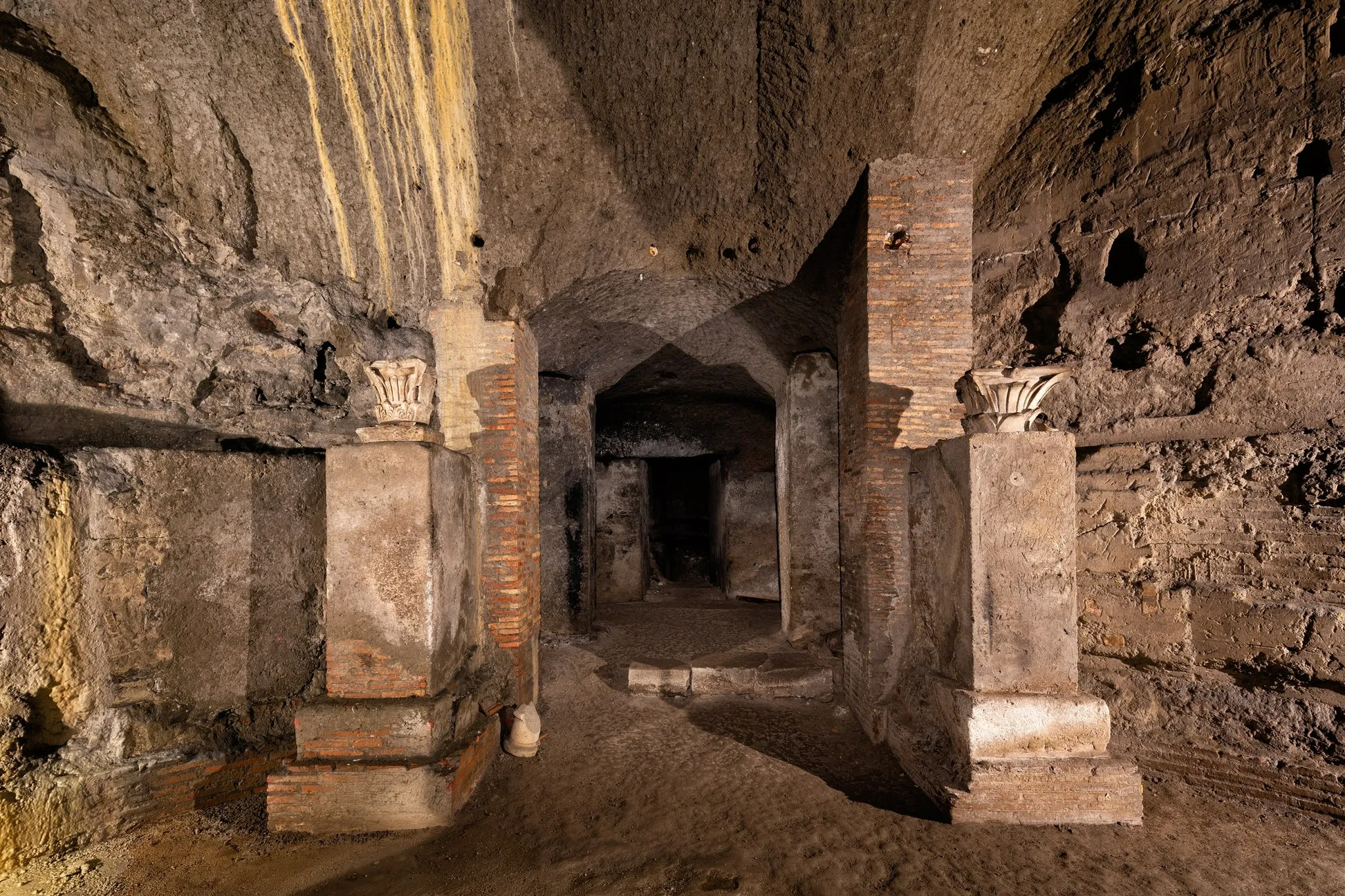
In the boat chamber area near the former coast, excavations uncovered poignant evidence of the eruption’s final moments: a place that invites respect and reflection.
Baths, streets, and public spaces
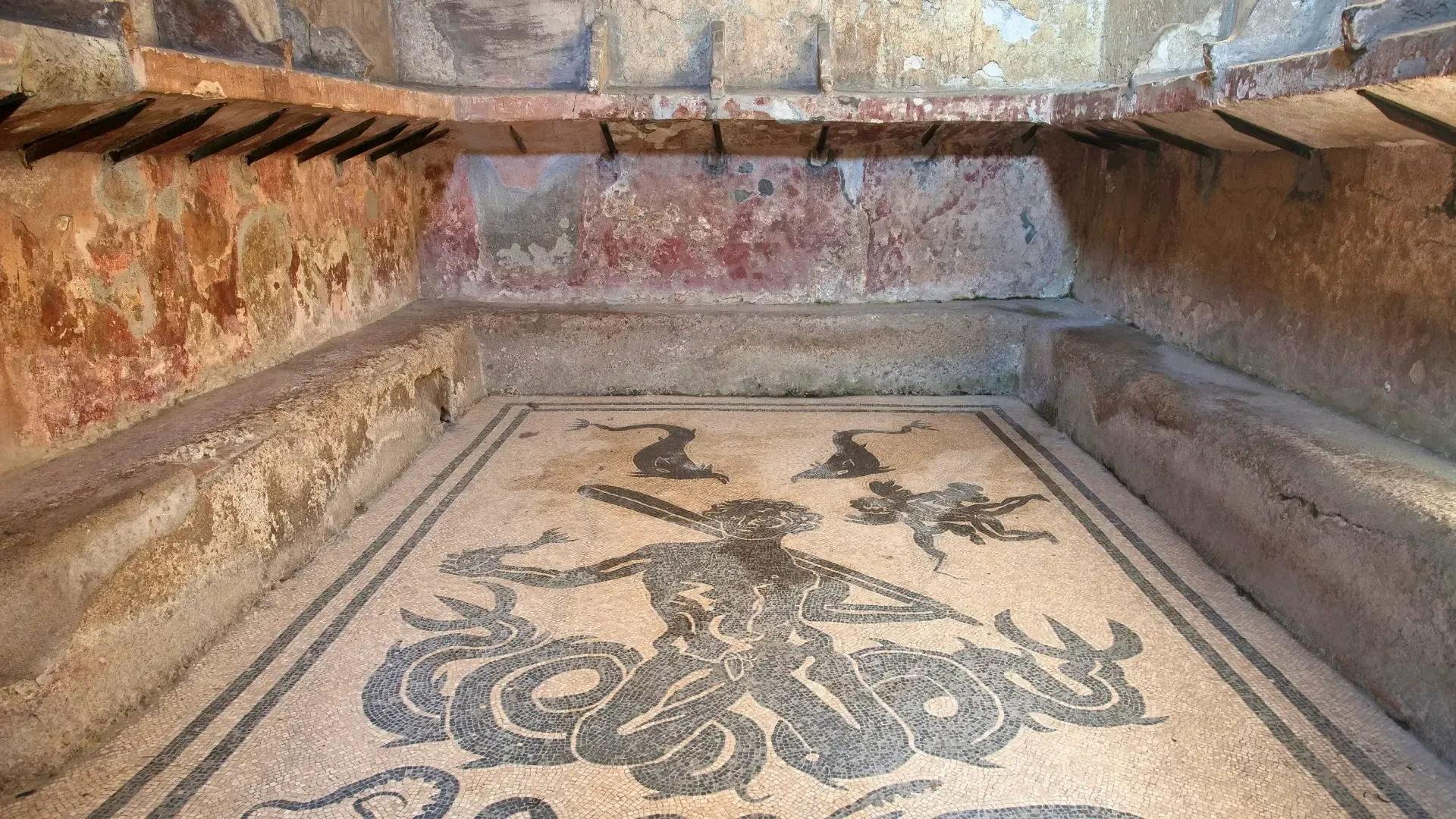
Among cardines, decumani, baths, and civic buildings, the city’s public face emerges: a refined urban plan designed for wellbeing, commerce, and community life.
Herculaneum Ruins at a glance
Quick answers to help you plan your day better.
Book your visit to the Herculaneum Ruins
Choose a standard admission ticket or an option that includes a guide.
Pair your visit with other Vesuvian sites for an even richer archaeological itinerary.