BesökstiderStängt
Tisdag, Augusti 11, 2026
Ercolano, Neapel, Kampanien – Herculaneums arkeologiska park
Tillbaka till travel
experience

First-Time Ercolano Emotional Guide - How to Experience the Site

A reflective guide for first-time visitors to Ercolano who want depth, context, and meaningful pacing.
7/5/2026
17 min read
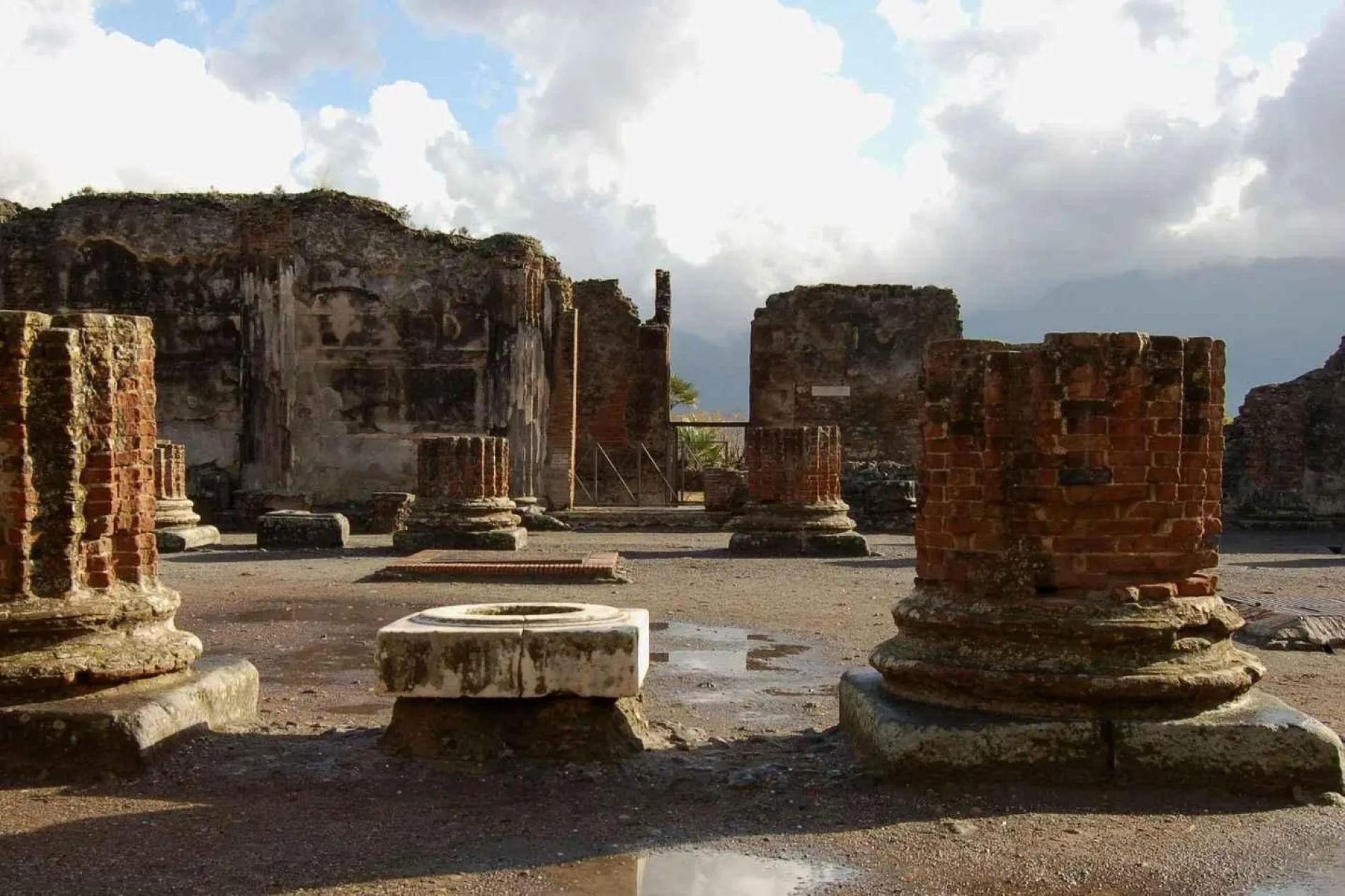
Columns and ruins in Herculaneum creating a contemplative atmosphere

The first walk in Ercolano can be disorienting in the best way. You arrive expecting ruins and discover proximity.

A different travel posture

Do less. Notice more.

Three mindful practices

1) Pause before entering each major space

Let your eyes adjust before your camera does.

2) Ask one human question per room

Who sat here? Who waited here? Who worried here?

3) End with a silent five-minute overlook

Integrate what you have seen before leaving.

Closing reflection

Ercolano does not ask you to admire only the past. It asks you to examine how fragile every present is.

Bottom line

If you walk attentively, Ercolano stays with you long after the ticket is gone.

}

  • Vaporetto Lines 4.1/4.2 to Museo (circular routes around Venice/Murano).
  • From Fondamente Nove: Line 4.1/4.2 (≈15–20 minutes).
  • From San Zaccaria/San Marco: Change at Fondamente Nove or San Michele depending on schedules.

What to see — 12 highlights

  1. Roman and early medieval glass — groundwork for Venetian genius.
  2. Millefiori (murrine) bowls — cross‑sections like floral mosaics.
  3. Filigrana (latticino) — white canes that lace clear glass with light.
  4. Avventurina — sparkling copper inclusions; a closely guarded recipe.
  5. Chandeliers (ciocche) — Murano’s baroque theater of light.
  6. Mirrors and the secret of cristallo — clarity as a status symbol.
  7. Enamelled (smalto) glass — color painted on fire.
  8. Vetri sommersi — layered transparency, modern poetry.
  9. Masters of the 20th century — Scarpa, Venini, Barovier & Toso.
  10. Beads and trade — miniature glass that circled the globe.
  11. Tools and benches — the choreography of canna, pontello, and tagianti.
  12. Contemporary commissions — how today’s designers push tradition forward.

How to pair with a live demo (and choose a good one)

  • Look for small groups, clear sightlines to the bench, and commentary that explains the steps (gather → marver → jack line → punty → reheat → finish).
  • A real demo shows teamwork: maestro, servente, and assistant passing tools and timing reheats.
  • Beware of “demo‑as‑sales‑pitch only.” Demos can end in a shop, but you should learn something substantial.

Crowd‑beating and timing

  • Go early or late; mid‑morning boats bring groups.
  • Rainy days and Sundays can feel busier.
  • 10–11 am or after 3:30 pm is often calmer.

Accessibility

  • The museum has lifts and step‑free sections; a few historic spaces may have thresholds.
  • Ask staff for the most accessible route and seating options near the denser galleries.

Bottom line

Do the museum first for context, then a high‑quality demo. You'll leave seeing not just glass objects but a living craft — time, heat, and breath captured in form.

Om författaren

Herculaneum Editorial Team

Herculaneum Editorial Team

Den här guiden skapades för att hjälpa nyfikna resenärer, familjer och historieintresserade att besöka Herculaneum med större trygghet: färre praktiska osäkerheter och mer kvalitetstid på platser som verkligen förtjänar uppmärksamhet.

Tags

First visit
Narrative
Ercolano
Mindful travel
History

Comments (0)

Leave a Comment

Loading comments...
